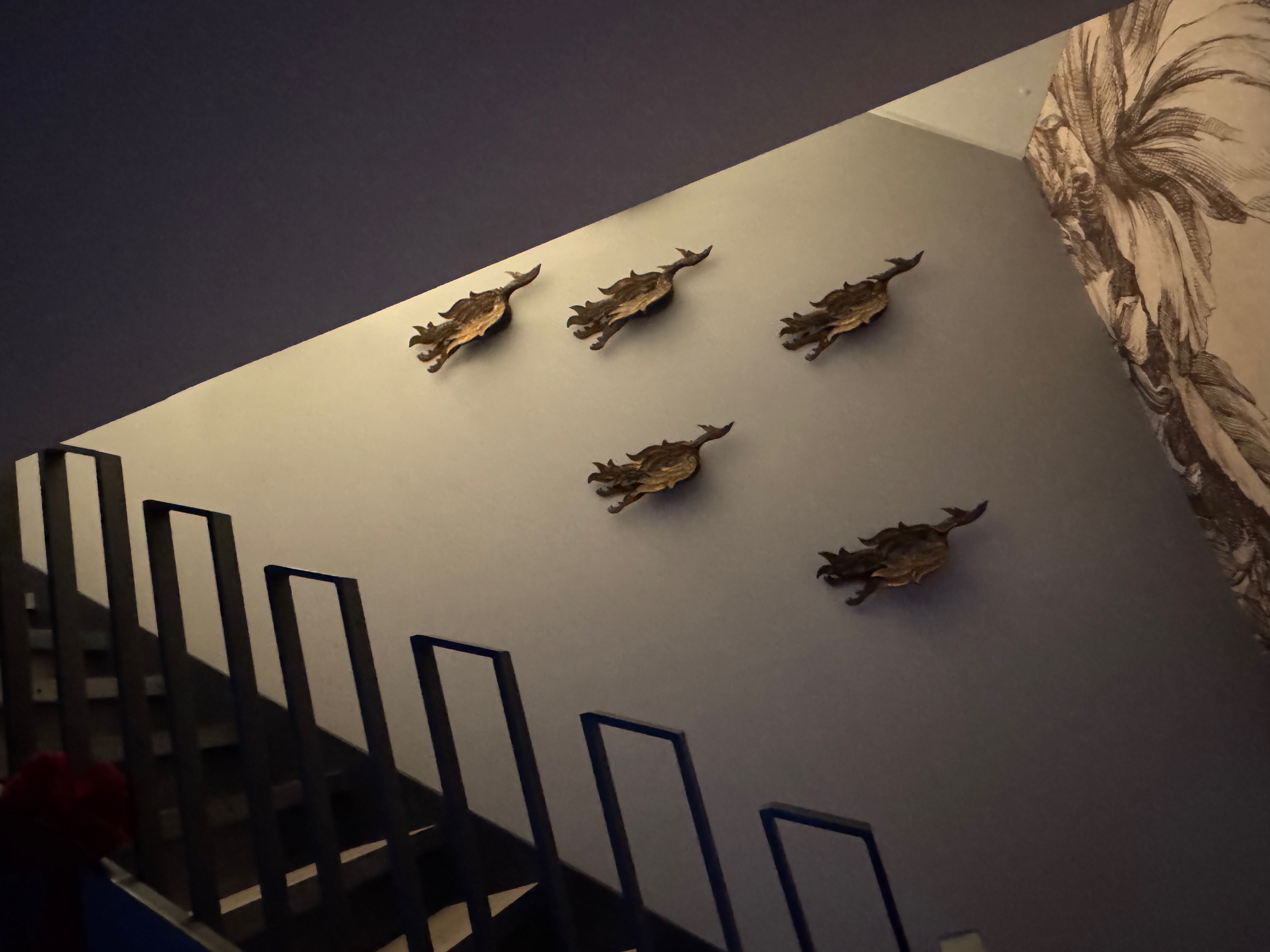
Fix the room or junction carrying too much.
A first phase should answer the clearest failure in the house: circulation that bottlenecks, storage that collapses, a kitchen that cannot host, or a structural move that unlocks the rest.
Breuder's approach is method, not pitch: diagnose the house, set the right phase, then protect execution so the built result still reflects the original read.
Before drawings, materials, or formal scope, the job is to locate where the house is breaking down in daily use. That means watching how people arrive, circulate, gather, store, retreat, and work around the parts of the plan that no longer fit.
The diagnosis has to include adjacent rooms, structural limits, sightlines, and the small recurring frictions that make a space feel wrong. If the house is misread here, every decision that follows gets more expensive.
Track where circulation compresses, where storage fails, and where one room is carrying work that belongs elsewhere.
Read the effect of any move beyond the room itself: openings, borrowed light, adjacent furniture zones, and structural consequences.
Separate what is cosmetic from what is architectural so the scope answers the real problem.
Identify the custom moves worth making because they change how the house works, not because they make the page look fuller.
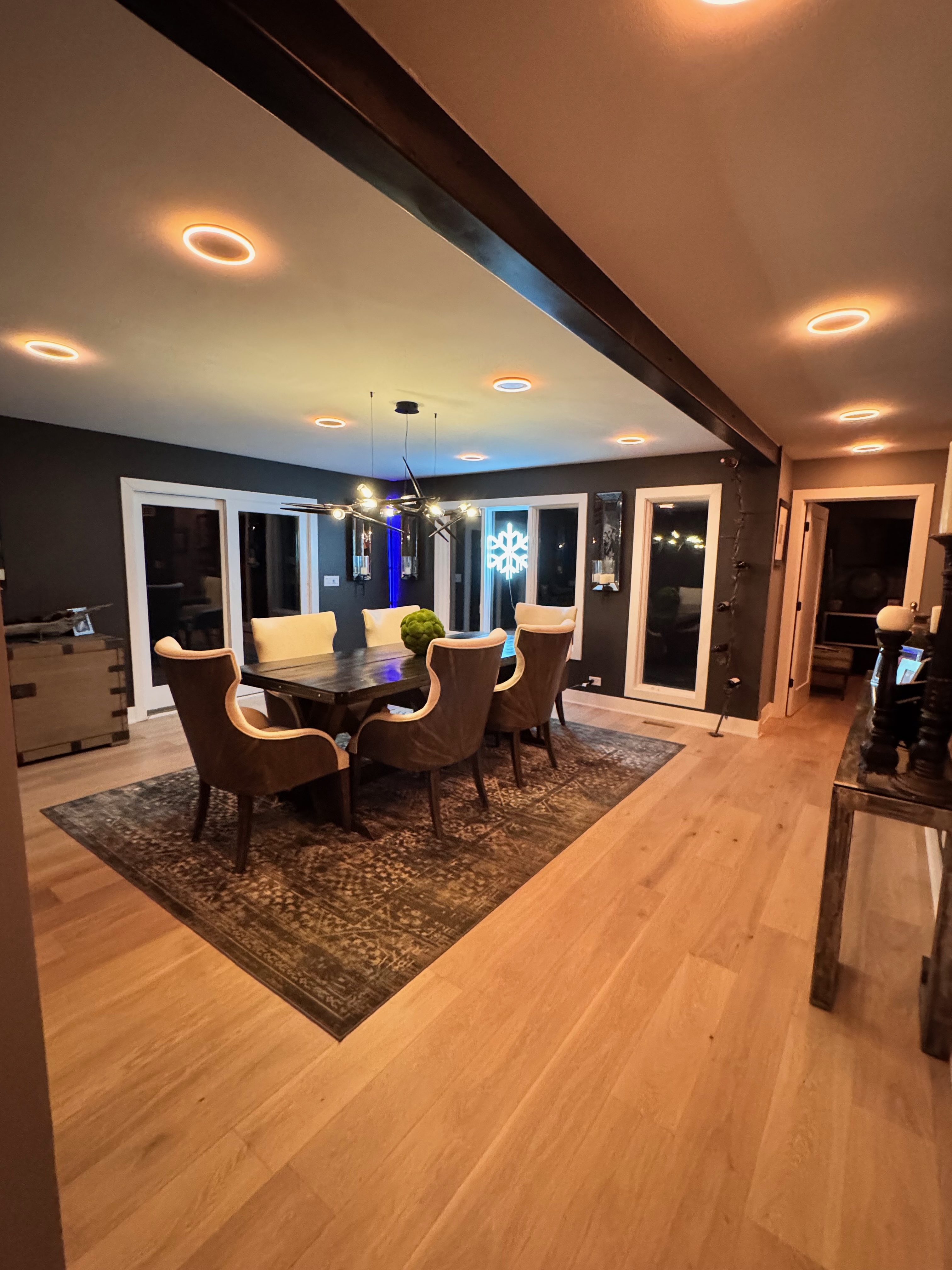
A first phase is not defined by size. It is defined by whether it addresses the pressure point cleanly, clarifies what should happen later, and avoids locking the house into a compromised sequence.
This is where the method gets stricter. A phase that looks efficient on paper can still be wrong if it creates weak edges, buries future opportunities, or asks the field to solve unresolved junctions on the fly.
A first phase should answer the clearest failure in the house: circulation that bottlenecks, storage that collapses, a kitchen that cannot host, or a structural move that unlocks the rest.
Openings, utilities, lighting, and millwork need to be set so later work can extend the logic instead of undoing expensive decisions made too early.
The right phase is defined by the transitions it creates: old to new, structure to finish, kitchen to dining, private to shared. If those edges are weak, the phase is wrong.
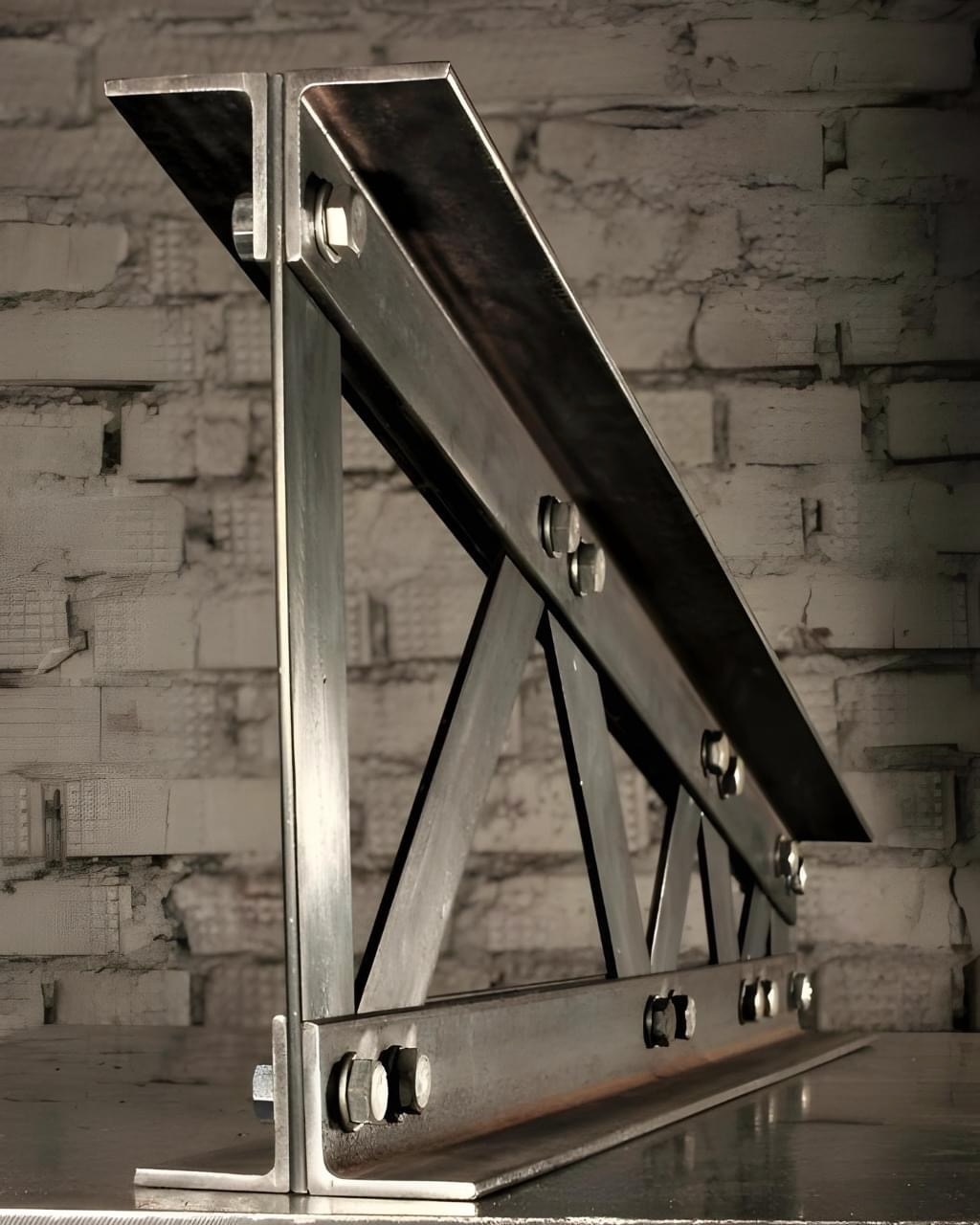
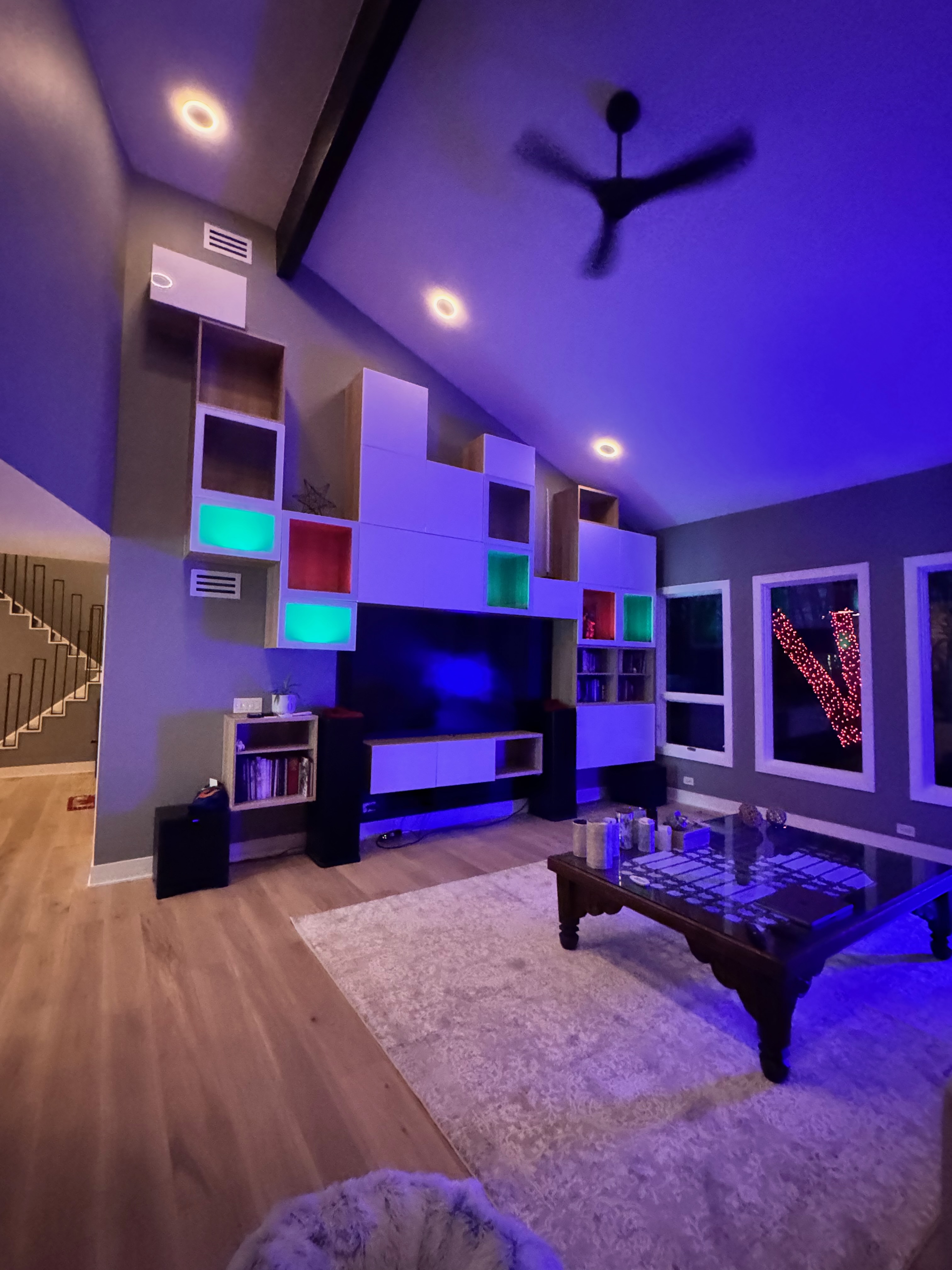
The final chapter is where stakes rise. Once layout, steel, millwork, finishes, and sequencing are moving at speed, weak coordination shows up as compromise. The method exists to reduce that exposure early.
Steel, millwork, wall openings, alignments, finish returns, and built-ins need enough resolution early that the job does not depend on late improvisation.
When the people drawing, fabricating, and building stay in the same conversation, custom work holds its precision instead of getting diluted through translation.
Execution stays cleaner when layout, engineering, site realities, and install sequence are tested together before demolition forces fast decisions.
What shows up in the work is the result of those protections holding. The portfolio is where that method becomes visible.