A contractor is not the brochure. It is the crew, the judgment, and what happens when the site gets real.
You’re about to spend more on your home than you spent on your car, and probably more than you spent on your education. The person you hire to do the work will live in your house for months. Choose carefully.
The first thing to understand is the difference between a traditional contractor and a design-build firm. In the traditional model, you hire an architect to draw plans, then hire a contractor to build them. Sounds logical, but it creates a gap. The architect designs without full knowledge of what’s buildable on budget. The contractor builds without full ownership of the design intent. When problems arise — and they always arise — each side points at the other. In design-build, one team owns the whole thing. Design and construction happen together, informed by each other from day one. Changes get caught early. Costs stay honest. The result looks like what you were promised because the same people who promised it are the ones building it.
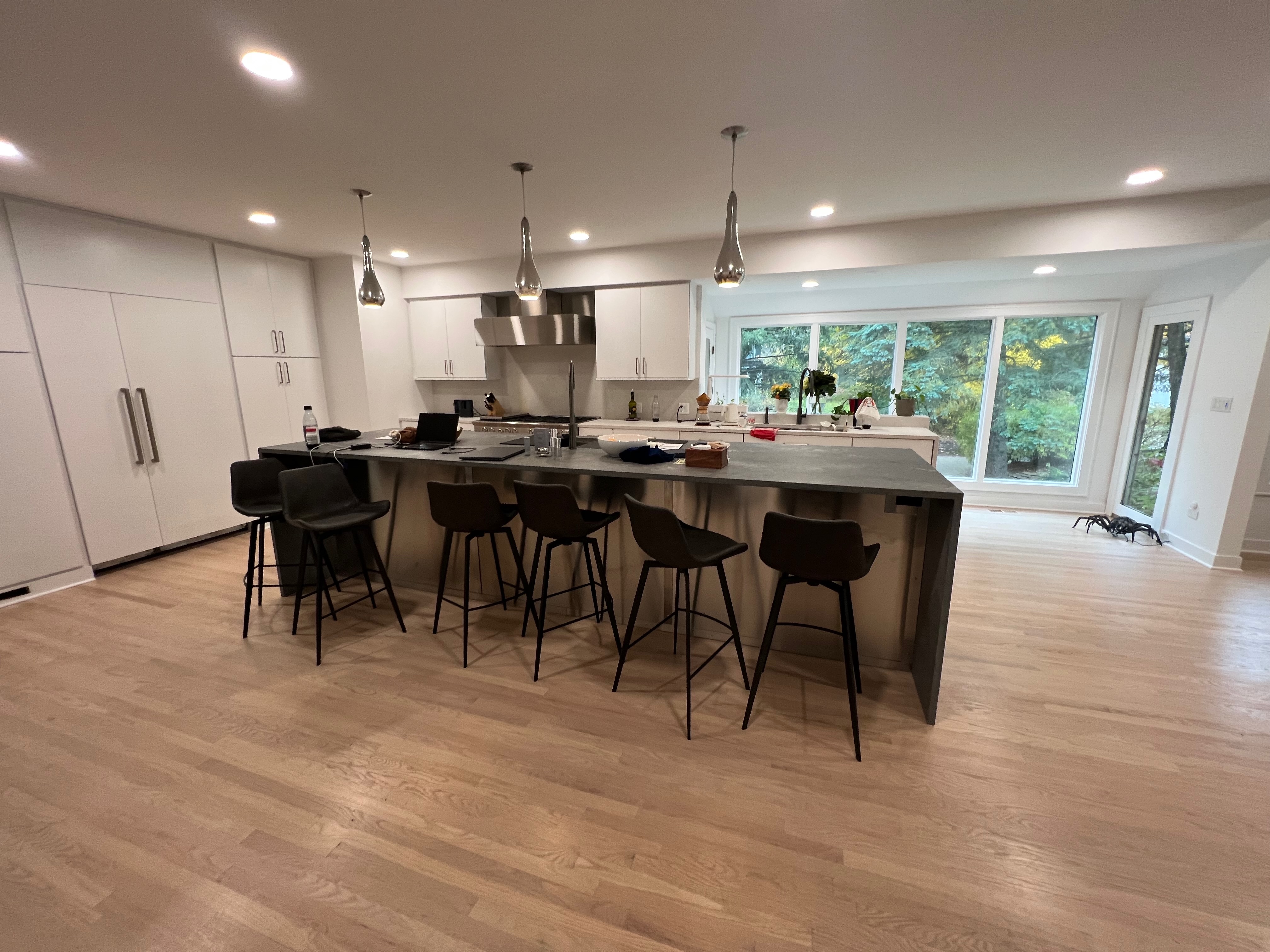
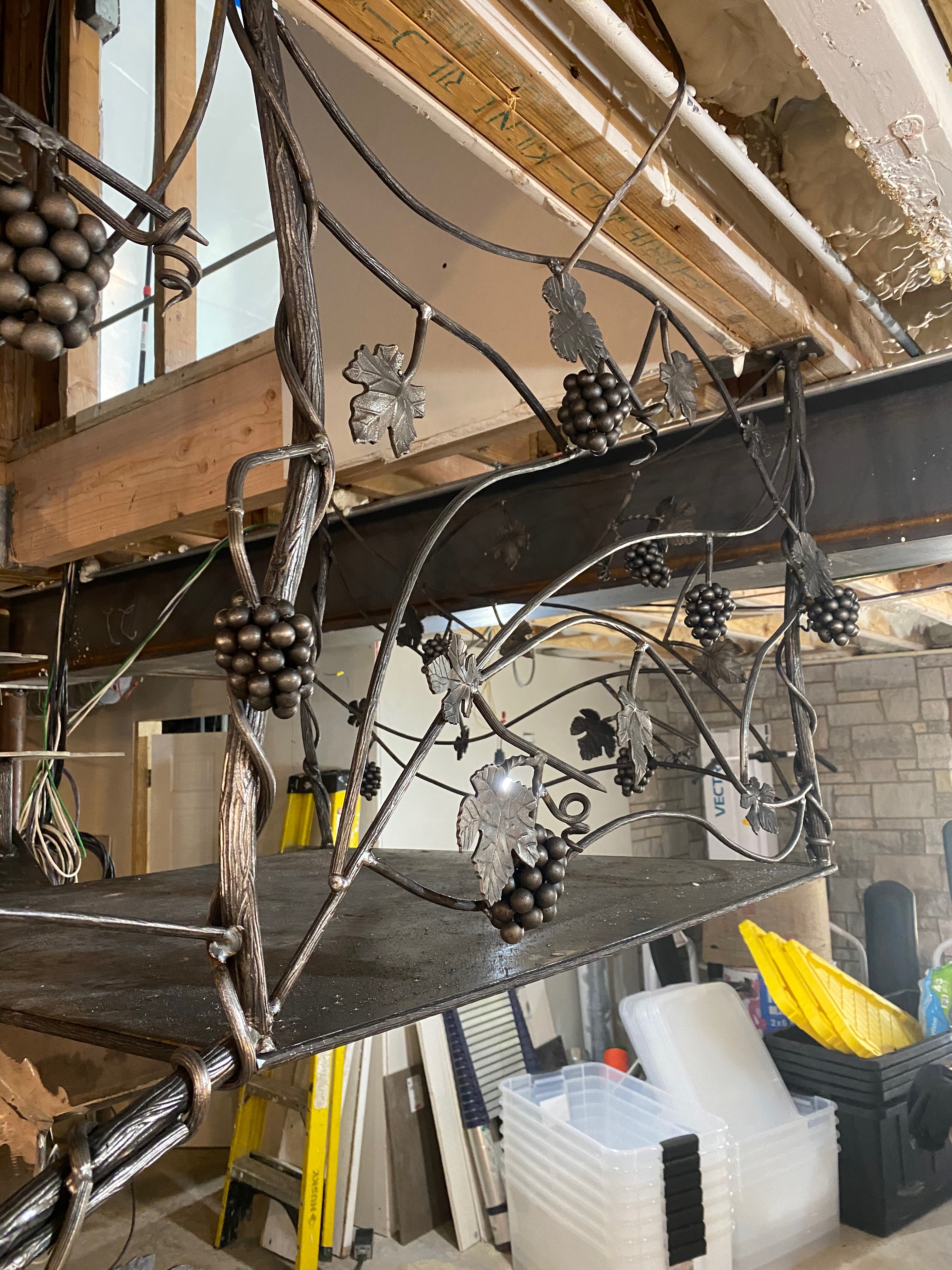
When you’re evaluating a design-build contractor, ask to see finished work in person, not just photos. Anyone can make a project look good on Instagram. What you want to see is how it feels six months after move-in. Do the drawers still glide? Do the doors align? Is the grout still clean? Quality reveals itself over time, and a contractor who’s confident in their work will invite you to see it aging.
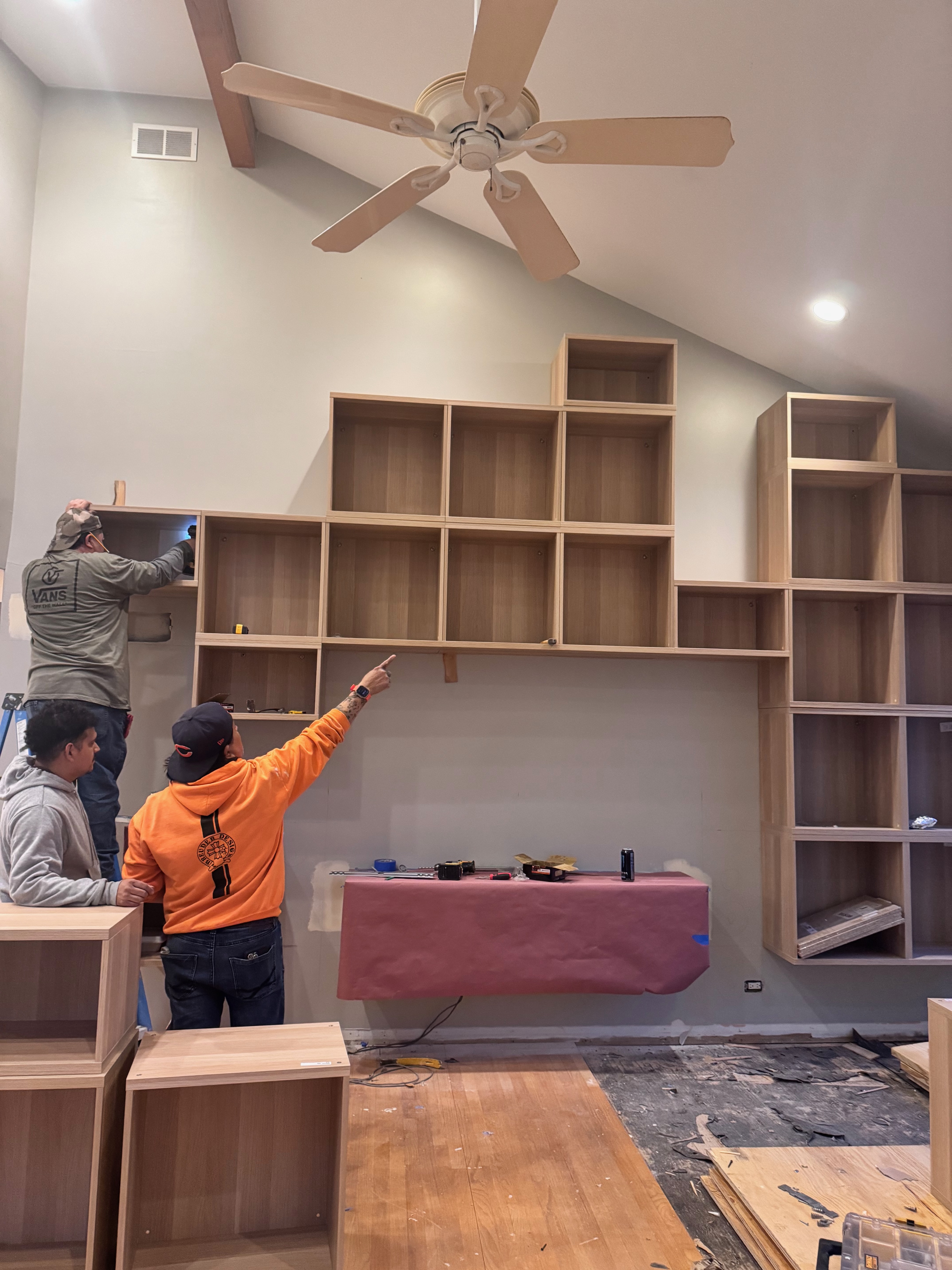
Ask who will actually be on your job site. Some firms sell you on the owner’s vision and then hand the project off to subcontractors you’ve never met. There’s nothing inherently wrong with subcontractors, but you should know exactly who’s swinging the hammer. The best firms have their own crews — people who’ve worked together for years and take personal pride in the work. Ask how long their team members have been with them. High turnover is a red flag. Stability means people want to be there, and that shows up in the work.
Watch for the contractor who says yes to everything. A good design-build partner will push back when your ideas don’t serve you well. They’ll tell you that the tile you love won’t hold up in a high-traffic entry. They’ll suggest a different layout when yours wastes space. They’ll be honest about what things cost before you’re committed. If someone never disagrees with you, they’re either not paying attention or they’re saving the surprises for the invoice. You want a partner, not a yes-man.
Finally, trust your gut about the relationship. A major renovation takes months. You’ll be making hundreds of decisions together. The person leading your project should be someone you can have a direct conversation with — someone who returns calls, explains trade-offs honestly, and treats your home with the same care they’d give their own. The best contractor in the world is the wrong choice if you can’t communicate. Find someone whose work you respect and whose company you can stand. That’s the real foundation of a good build.